Chester Zoo Chimpanzee Boris: A Beloved Legacy Remembered
Katherine Burton
Dec 25, 2024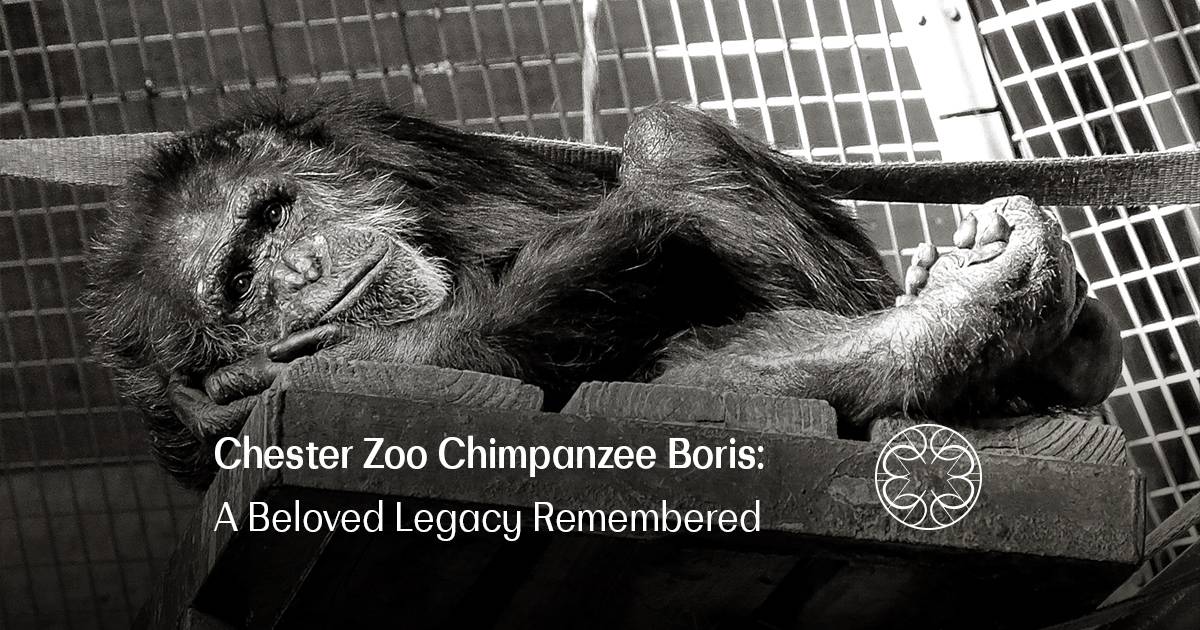
Few animals touch visitors’ hearts the way Boris did, Chester Zoo’s well-known chimpanzee. His story, marked by energy, resilience, and loss, still stays with many people. Visitors from places like Northop Hall often shared memories of watching Boris, which shows how far his influence reached. Chester Zoo Chimpanzee Boris became a familiar name for families who visited the zoo over the years.
Boris also helps us understand the wider world of chimpanzees. Today, fewer than 300,000 chimpanzees remain in the wild, and their numbers keep falling due to habitat loss and hunting. Chester Zoo supports global projects that protect these intelligent animals. Remembering Boris reminds us why this work matters.
Chester Zoo remains one of the UK’s leading conservation centres, welcoming more than two million visitors each year.

photo by BBC
A Star at Chester Zoo
Boris was no ordinary chimpanzee. A 58-year-old chimpanzee who was rescued from a pet shop in New York and brought to the UK in the 1960s. He arrived at Chester Zoo at a time when people were starting to care more about animal welfare and how animals were treated in captivity. Because of his lively behaviour and strong personality, he quickly became one of the zoo’s most loved animals.
Many visitors came from different towns, including Northop Hall, just to see him. His presence helped show the zoo’s commitment to protecting wildlife, and Chester Zoo Chimpanzee Boris soon became a name many families remembered.
Boris was born in the wild, and his early life was difficult. He was orphaned at a young age because of poachers, a threat that still affects thousands of chimpanzees every year.
In some regions, chimpanzee numbers have dropped by more than 70 percent over the last 30 years. After being rescued, Boris was taken into safe care and later moved to Chester Zoo. There, he joined a managed group of chimpanzees designed to copy the natural social structure of the species. Chimpanzees live in groups of up to 20 to 50 individuals in the wild, and the zoo worked hard to give Boris a life that felt social, active, and healthy.

The Social Life and Leadership of Chester Zoo Chimpanzee Boris
Boris lived alongside many other animals at Chester Zoo, which is home to over 27,000 creatures from more than 500 species.
As Chester Zoo chimpanzee Boris matured, his natural charisma and intelligence became clear. Chimpanzees are highly social animals that live in groups called communities, often with 20 to 50 members. Their social world is complex, and leadership is earned through strength, intelligence, and calm behaviour. Boris’s rise to a dominant male showed his ability to adapt and understand the needs of his group.
Visitors often watched Chester Zoo chimpanzee Boris interact with his troop. He showed a gentle but firm leadership style, helping stop fights, building friendships, and keeping group harmony. Chimpanzees survive by working together, sharing food, grooming each other, and protecting one another from danger. Boris showed these natural behaviours every day.
In the wild, chimpanzees face many threats. Habitat loss, hunting, and illegal wildlife trade continue to reduce their population. They need large forest areas, safe social groups, and stable food sources to live healthy lives. When these conditions are missing, their stress levels rise, group bonds break, and survival becomes harder.
As humans, we have a responsibility to protect chimpanzees. Supporting conservation, respecting wildlife habitats, and learning about their needs help ensure the species can survive. Boris’s life reminds us that every chimpanzee has emotions, relationships, and a place in the world that deserves protection.
Advocacy through Connection
Boris’s presence at Chester Zoo served a purpose far greater than entertainment. He became a global ambassador for western chimpanzees, helping thousands of visitors understand the real challenges these animals face in the wild.
Today, western chimpanzees are classed as critically endangered, with their numbers falling by more than 80 percent in the last 25 years. Logging, mining, expanding farmland, and the spread of human settlements continue to destroy forests. Many chimpanzees are also targeted by the illegal bushmeat trade or captured for the exotic pet industry. In the wild, diseases transmitted from humans can wipe out entire groups.
After Boris’s passing, Mike Jordan, Director of Animals and Plants at Chester Zoo, spoke about the deep impact Boris had on both the zoo and worldwide conservation work. He explained:
"Boris played a central role in establishing the international conservation breeding programme for western chimpanzees, siring 22 young. He’s gone on to be a great grandad and has a raft of descendants right around the world – a truly astonishing number and an extraordinary legacy."
Jordan also reflected on the emotional loss felt by the team:
"This is one of those days that you hope will never come and we’re all heartbroken to say goodbye to Boris – he really was one in a million."

These sentiments show how important Boris was to conservation and how deeply he touched the Chester Zoo community. His influence reached far beyond the viewing windows of his habitat. Many visitors still share old Chester Zoo photos of Boris, which show how popular he was across different generations.
Through long-running educational programmes, Chester Zoo chimpanzee Boris helped inspire a new generation to care about primate conservation. Many schoolchildren learned that humans and chimpanzees share about 98 percent of their DNA, a fact that often surprised young visitors and encouraged empathy. Lessons highlighted how chimpanzees use tools, solve problems, and communicate through gestures and expressions, helping students understand that they are complex beings with rich emotional lives.
Chester Zoo often used Boris in its campaigns to explain why protecting great apes matters. His story became a practical example in workshops about endangered species, habitat loss, and the importance of global breeding programmes. For many families, Boris became the first chimpanzee they truly connected with, making conservation feel personal rather than distant.
His presence helped turn simple zoo visits into meaningful learning experiences, shaping how thousands of visitors think about wildlife protection today.

(From left) Halfpenny, Kate, Boris and Cleo at Chester Zoo, photo by BBC
A Sudden Loss
Boris’s long life came to an end on 22 January 2024, when he passed away at the age of 58. The announcement was made by Chester Zoo shortly after, and the news gained wide attention due to Boris’s well-known role in conservation and education. For many visitors, his story offered valuable insight into the lives of western chimpanzees and the challenges they face.
Reports confirmed that Chester Zoo chimpanzee Boris died from a sudden and severe illness. Even with close monitoring and rapid veterinary treatment, some age-related conditions in chimpanzees can progress quickly. At 58, Boris was considered extremely old for his species, as many chimpanzees in the wild reach only 33–38 years.
His death also highlighted some of the medical difficulties involved in caring for ageing great apes, including the need for specialist care, regular health screenings, and tailored social environments.
Chester Zoo did not establish a formal annual memorial event for Boris. However, his contribution to the international conservation breeding programme continues to be recognised in talks, educational sessions, and conservation updates. His descendants living in zoos around the world also serve as a living reminder of his long-term impact.

Remembering Boris
In the wake of Boris’s death, Chester Zoo launched a memorial initiative to honour his memory. Tributes poured in from around the world, with visitors sharing stories, photos, and messages about how Boris had touched their lives. The zoo also used this moment to highlight the ongoing plight of wild chimpanzees, ensuring that Boris’s legacy would contribute to meaningful change.
A commemorative statue was erected in Boris’s honour, depicting him in a characteristic pose that captured his spirit. The statue now stands as a focal point for visitors, reminding them of the deep connection humans share with animals and the responsibility we have to protect them.
Lessons from Boris’s Life
Boris’s long life became part of Chester Zoo history, marking an important chapter in the development of its great ape programmes.
Boris’s story is more than the life of a well-known zoo animal; it reflects the wider challenges of wildlife conservation and the responsibilities humans hold toward other species. His life showed how important it is to create environments that support natural behaviour, social interaction, and mental stimulation. Chester Zoo’s work to provide an enriching habitat for Boris and his group became a model for other institutions developing modern standards for great ape care.
Boris’s later years also highlighted the need for strong veterinary programmes. Chimpanzees can face heart disease, infections, and age-related conditions, and research in these areas helps improve the long-term care of great apes in human-managed environments.
Beyond zoo management, Boris’s life gives several lessons for us as human beings:
Respect for wildlife
Boris’s story reminds us that animals have complex emotions, social needs, and family structures. Understanding this encourages more respectful behaviour toward all wildlife.
Support for conservation
Western chimpanzees remain critically endangered. Supporting conservation projects, reducing habitat destruction, and making responsible consumer choices can help protect remaining populations.
Awareness of human impact
Human activities such as deforestation, illegal trade, and disease transmission continue to harm chimpanzees. Boris’s background shows how these actions affect individual lives.
Value of education
His role in educational programmes proved that learning about animals builds empathy and motivates people to take action.
Responsibility to future generations
The survival of species like chimpanzees depends on long-term commitment. Boris’s descendants across the world are a reminder that conservation efforts have lasting results.
The Enduring Impact of Boris
In the end, Boris’s tale is a testament to the power of compassion and the enduring impact of a life well-lived. His memory will forever be a guiding light for those committed to the cause of wildlife conservation. Rest in peace, Boris, Chester Zoo’s beloved chimpanzee. Your story will not be forgotten.
As visitors continue to pass by his statue at Chester Zoo, they are reminded of a chimpanzee who was much more than a zoo resident. Boris was a symbol of hope, resilience, and the unbreakable bond between humans and animals. By remembering his story, we keep alive the spirit of conservation and the drive to create a world where creatures like Boris can thrive, both in captivity and in the wild.
Katherine Burton